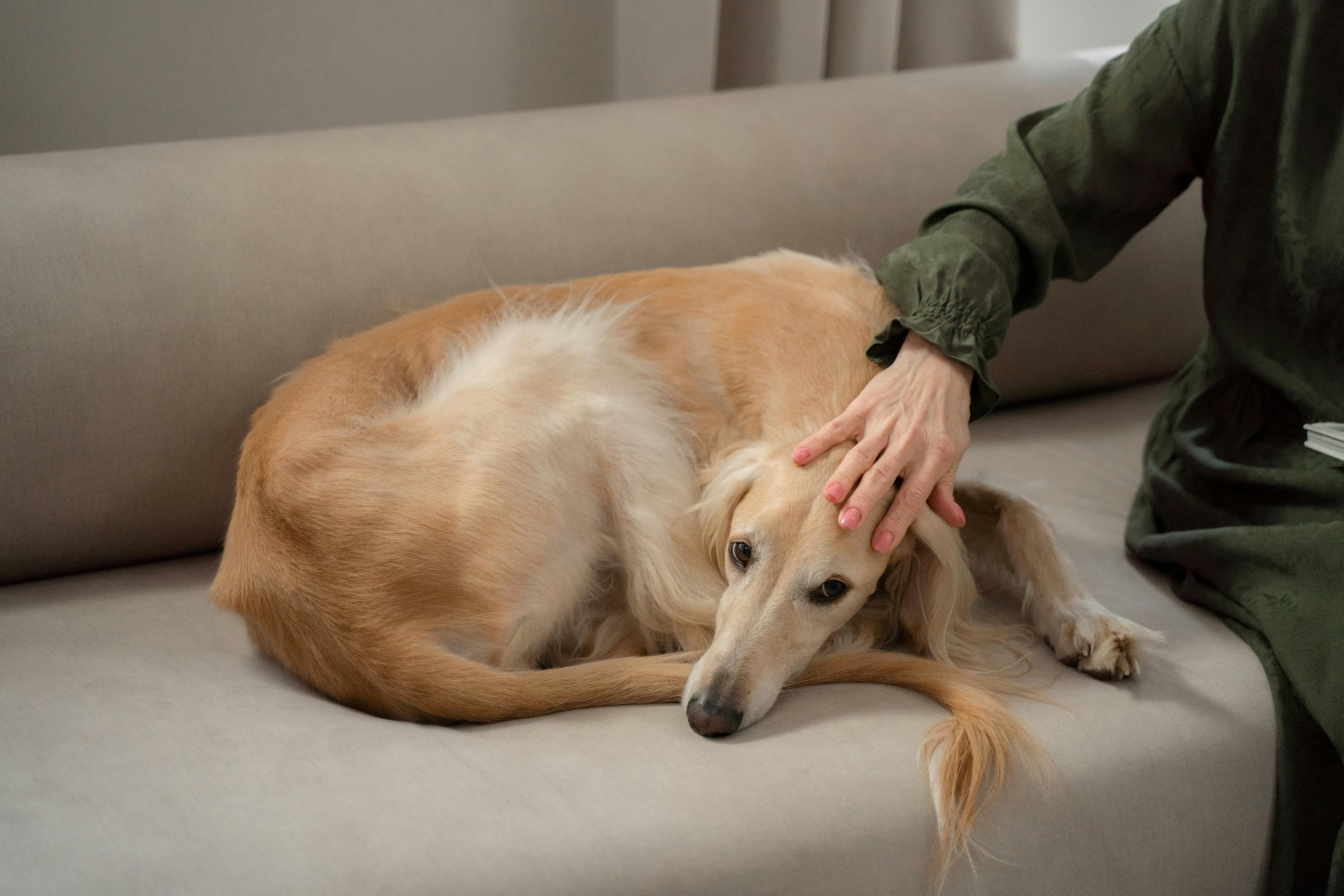
Why does my puppy lick my face? Discover the meaning behind puppy licking faces & understand your furry friend’s affectionate behavior. Learn why your puppy licks you! Get answers now! #PuppyLove #DogBehavior
Why Does My Puppy Lick My Face? Decoding Your Puppy’s Affectionate Greetings
Many new puppy owners are charmed by their furry friend’s enthusiastic greetings – a flurry of tail wags, happy barks, and of course, those adorable face licks. But why does my puppy lick my face? Understanding the reasons behind this behavior is crucial for building a strong bond with your canine companion and ensuring their well-being. This comprehensive guide will delve into the multifaceted meaning of puppy licks and help you decipher what your furry friend is trying to communicate.
Puppy Lick Face Meaning: Beyond Simple Affection
While the most common reason for a puppy lick face is pure affection, it’s more nuanced than a simple display of love. Several factors contribute to this behavior, and recognizing these nuances can significantly improve your understanding of your puppy’s needs and communication style.
Taste and Scent: The Canine Perspective
Unlike us humans, puppies rely heavily on their sense of smell and taste to navigate the world. Our skin holds a unique blend of salts, oils, and other substances that are incredibly interesting to their sensitive noses. A lick is akin to a taste test, providing valuable information about us. It’s a way for them to learn more about their environment and the people within it. They’re essentially sampling their surroundings, and we, unfortunately, happen to be a very accessible and intriguing “sample.”
Cleaning and Grooming: Innate Instincts
Puppies learn to groom themselves and their littermates from a young age. This is particularly important in the early stages of development when their mothers help maintain their hygiene. This innate grooming instinct extends to their human companions, resulting in face licks as a form of “cleaning.” They may be trying to remove dirt or other perceived impurities from your face. This instinct is particularly strong during puppyhood when they are still adjusting to the human world and haven’t quite mastered other ways of expressing affection. As they grow and their canine teeth develop (check out this article on when canine teeth erupt in the horse for a comparative look at teeth development) they might change their methods of showing love. However, even after their adult canine teeth have fully emerged (learn more about when canine teeth fall out here), licking can remain a key part of their affectionate repertoire. If your dog’s teeth are too sharp you may wish to look into how to make your canine teeth less sharper for a more pleasant experience.
Attention Seeking: A Clever Canine Tactic
Let’s face it; puppies are masters of manipulation (in the cutest way possible!). They’ve quickly learned that licking often results in a positive response from their human companions— petting, praise, and maybe even a treat! Why does my puppy lick me so persistently sometimes? It could simply be a cunning strategy to gain attention and affection. If you consistently reward the licking behavior, you might inadvertently reinforce it, leading to more frequent licking.
Stress and Anxiety: A Subtle Sign
While less common, excessive licking can sometimes be a sign of stress or anxiety. If your puppy is experiencing discomfort, fear, or uncertainty, they may turn to licking as a self-soothing mechanism. This compulsive licking, however, differs from the playful or affectionate licks. Observe the context— if the licking is accompanied by other signs of stress (whining, hiding, trembling), it’s essential to address the underlying cause. For example, if they were frightened by a loud noise or a new visitor, this would be a critical situation to resolve for your dog’s emotional well-being.
Medical Reasons: When to Seek Veterinary Advice
In rare cases, excessive licking can indicate an underlying medical condition. Allergies, skin irritations, or even pain can trigger compulsive licking. If you notice unusual changes in your puppy’s licking behavior, such as intense licking in a specific area or an increase in licking frequency, it’s essential to consult your veterinarian. They can help rule out any underlying health issues, and it is also a good time to investigate further if you’re concerned about their overall well-being.
Understanding Your Puppy’s Communication: Beyond the Licks
To fully understand why does my puppy lick my face, consider the overall context. Is the lick accompanied by other behaviors? Does your puppy seem happy and relaxed, or anxious and stressed? Is it focused on your face specifically, or other body parts?
A simple, gentle lick on the cheek is different from vigorous licking all over. A puppy who is exhibiting excessive licking along with other concerning signs may require veterinary attention. This applies especially if this occurs during times when your puppy appears anxious or stressed. If your dog is consistently licking themselves even after a bath you might even want to take them to be checked to make sure they don’t have any underlying health issues.
Managing Your Puppy’s Licking Behavior
If your puppy’s licking becomes excessive or bothersome, you can implement some strategies to manage it. Positive reinforcement, such as rewarding calm behavior with praise and treats, is crucial. Redirecting their attention to a chew toy or interactive game can also help break the licking cycle. However, never punish your puppy for licking; it could cause more stress and anxiety. If the licking is compulsive and persists despite these efforts, it’s essential to consult with a veterinarian or a certified dog behaviorist. They can provide further guidance and address potential underlying medical or behavioral issues. You might also be interested in learning more about other aspects of your dog’s care, such as what is canine bordetella, a common infectious disease affecting dogs.
The Importance of Consistency and Patience
Remember, puppies are still learning to navigate their world and communicate effectively. Be patient and consistent with your approach to training and behavior management. Consistent training and positive reinforcement are key to building trust and understanding between you and your furry friend. Providing regular opportunities for exercise and mental stimulation can further enhance their emotional well-being, lessening the possibility of anxiety-related licking. This would mean regular walks and interactions with safe playthings.
Furthermore, if you’re looking for ways to provide your canine friend with a balanced meal, perhaps you can consider things like are canine carry-outs good for dogs, a food option that might have varying effects based on the nutritional content.
By understanding the reasons behind your puppy’s face licks, you can better address their needs and build a stronger, more harmonious relationship. This understanding goes far beyond simply knowing why does my puppy lick my face, but it’s about understanding your puppy’s entire language and communication style.
External Resources:
- American Veterinary Society of Animal Behavior: https://www.avsab.org/ – Offers resources on canine behavior and provides a directory of certified behaviorists.
- American Kennel Club: https://www.akc.org/ – Offers breed-specific information and resources on dog care and training.
- Veterinary Partner: https://veterinarypartner.vin.com/ – Provides comprehensive information on various canine health concerns.
Call to Action:
Now it’s your turn! Share your experiences with your puppy’s licking behavior in the comments below. What are your puppy’s favorite things to lick? How do you respond to this adorable behavior? Let’s discuss and learn together! Use the keywords, why does my puppy lick my face, puppy lick face meaning, and why does my puppy lick me, in your comments to help others find relevant information.
Frequently Asked Questions: Why Does My Puppy Lick My Face?
1. Why does my puppy lick my face so much?
Many reasons explain why your puppy licks your face! It’s often a sign of affection, similar to a hug or kiss for humans. Understanding the Puppy Lick Face Meaning is key. They might also be tasting you, exploring your scent, or seeking attention. Sometimes, it can be due to anxiety or stress. If the licking is excessive, consult a vet.
2. Is my puppy licking my face because they love me?
Yes, often a puppy licking your face is a clear indication of affection. It’s a way for them to show their love and bond with you. This is a primary part of understanding the Puppy Lick Face Meaning.
3. Why does my puppy lick me even after I tell them to stop?
Puppies, especially young ones, haven’t yet fully learned commands. Persistent licking might also be due to underlying anxiety or a need for attention. Try redirecting their behavior with a toy or treat. Consistent training is crucial.
4. Could my puppy be licking my face because of their teeth?
While less common, puppies might lick your face because their canine teeth are bothering them. Learn more about when these canine teeth erupt in the horse and when canine teeth fall out at https://pupquotes.com/blog/when-do-canine-teeth-fall-out/ and https://pupquotes.com/blog/when-do-canine-teeth-erupt-in-the-horse/. If their teeth are causing discomfort, you might consider consulting a vet.
5. My puppy’s licks are a bit scratchy; what should I do?
If your puppy’s licks are irritating, it might be due to their developing teeth. You can find tips on how to make your canine teeth less sharper at https://pupquotes.com/blog/how-to-make-your-canine-teeth-less-sharper/. Always supervise interactions with young puppies to prevent scratches.
6. Is there a health reason why my puppy licks my face excessively?
Excessive licking can sometimes indicate underlying health issues. Consult your veterinarian if you are concerned about the frequency or intensity of the licking.
7. How can I stop my puppy from licking my face so much?
Positive reinforcement is key. Redirect the licking with a toy or treat. Consistent training and clear commands can help. Address any underlying anxiety or stress.
8. Is it okay to let my puppy lick my face?
Generally, yes. However, always wash your hands after interacting with your puppy, especially if you have open wounds.
9. Why does my puppy lick my face more when I’m sick?
Dogs are remarkably sensitive. They may sense changes in your body odor or behavior when you’re unwell, which might trigger increased licking. This is part of their innate caring nature.
10. My puppy seems obsessed with licking my face; is this normal?
While licking is normal, excessive licking might not be. Consider consulting a veterinarian if you’re concerned about the frequency or intensity. Also, be sure your puppy isn’t picking up unhealthy habits with their licking. Remember, excessive licking can also be a sign of stress or anxiety. Proper nutrition is also important for a healthy puppy, so make sure to avoid anything questionable like canine carry-outs (https://pupquotes.com/blog/are-canine-carry-outs-good-for-dogs/) and be sure to be mindful of illnesses like canine bordetella (https://pupquotes.com/blog/what-is-canine-bordetella/).

Why Does My Puppy Lick My Face? Understanding Puppy Licks
Puppy licks on your face are a common occurrence, but understanding the reasons behind them is crucial for responsible pet ownership. It’s a complex behavior with multiple potential explanations, ranging from affection to underlying health issues. Let’s explore some key factors:
Affection and Social Bonding
The most common reason for face licking is simple affection. Puppies, like human babies, explore the world through their mouths. Licking is a way for your puppy to show love, bond with you, and seek attention. This positive interaction is a fundamental part of puppy development and strengthens your relationship.
Taste and Scent
Puppies have a highly developed sense of smell and taste. Your face holds a unique blend of scents and tastes – from your skin’s natural oils to traces of food – which may intrigue your puppy. This exploratory licking isn’t necessarily a sign of concern, but it’s important to maintain good hygiene practices.
Attention-Seeking Behavior
Licking can also be a way for your puppy to get your attention, positive or negative. If you react to the licking, even negatively, your puppy may learn that this behavior gets a response, reinforcing it. Ignoring unwanted licking and rewarding other desirable behaviors is key to shaping good habits.
Teething Discomfort
Puppies go through a teething phase, starting around the age of 3-4 weeks old with the eruption of their baby teeth and later the adult teeth (see https://pupquotes.com/blog/when-do-canine-teeth-erupt-in-the-horse/ for horse information). This process can be uncomfortable and sometimes painful. The pressure and discomfort may cause your puppy to lick your face as a way to relieve the irritation. Learn more about when canine teeth fall out at https://pupquotes.com/blog/when-do-canine-teeth-fall-out/. If your puppy’s gums appear red, swollen, or excessively sensitive, consider https://pupquotes.com/blog/how-to-make-your-canine-teeth-less-sharper/ for ways to soothe discomfort.
Health Considerations
While licking is usually benign, excessive licking, especially if accompanied by other symptoms, could indicate an underlying health problem. This could range from skin allergies to anxiety. It’s crucial to be mindful of the following:
- Excessive Saliva: If your puppy’s licking is accompanied by excessive drooling, it might signal digestive issues or other medical conditions.
- Behavioral Changes: Increased anxiety, lethargy, or appetite changes combined with excessive licking require veterinary attention. Consider the risk of canine bordetella, which can cause respiratory issues; see https://pupquotes.com/blog/what-is-canine-bordetella/ for more information.
- Skin Irritation: Observe your puppy’s skin for redness, rashes, or other signs of irritation. This could indicate an allergy or infection.
Hygiene and Safety
While puppy licks are usually harmless, maintaining good hygiene is crucial to minimize the risk of disease transmission. Regular bathing and cleaning are important. Avoid feeding your dog directly from your mouth to prevent any possibility of the spread of bacteria or parasites. Be cautious about what your puppy is licking, particularly if they have access to potentially harmful substances or areas.
Training and Management
Training your puppy to lick less on your face can be achieved through consistent and positive reinforcement. Redirect the licking behavior to a more appropriate activity such as chewing on a toy. Remember, patience and consistency are key. Ignoring the licking is often more effective than reacting to it.
Disclaimer: This information is for educational purposes only and does not constitute veterinary advice. Always consult a veterinarian if you have concerns about your puppy’s health or behavior. Don’t forget that canine carry-outs, discussed at https://pupquotes.com/blog/are-canine-carry-outs-good-for-dogs/, aren’t related to licking but represent another aspect of dog care.
Why Does My Puppy Lick My Face, Puppy Licking Face Meaning, Why Does My Puppy Lick Me