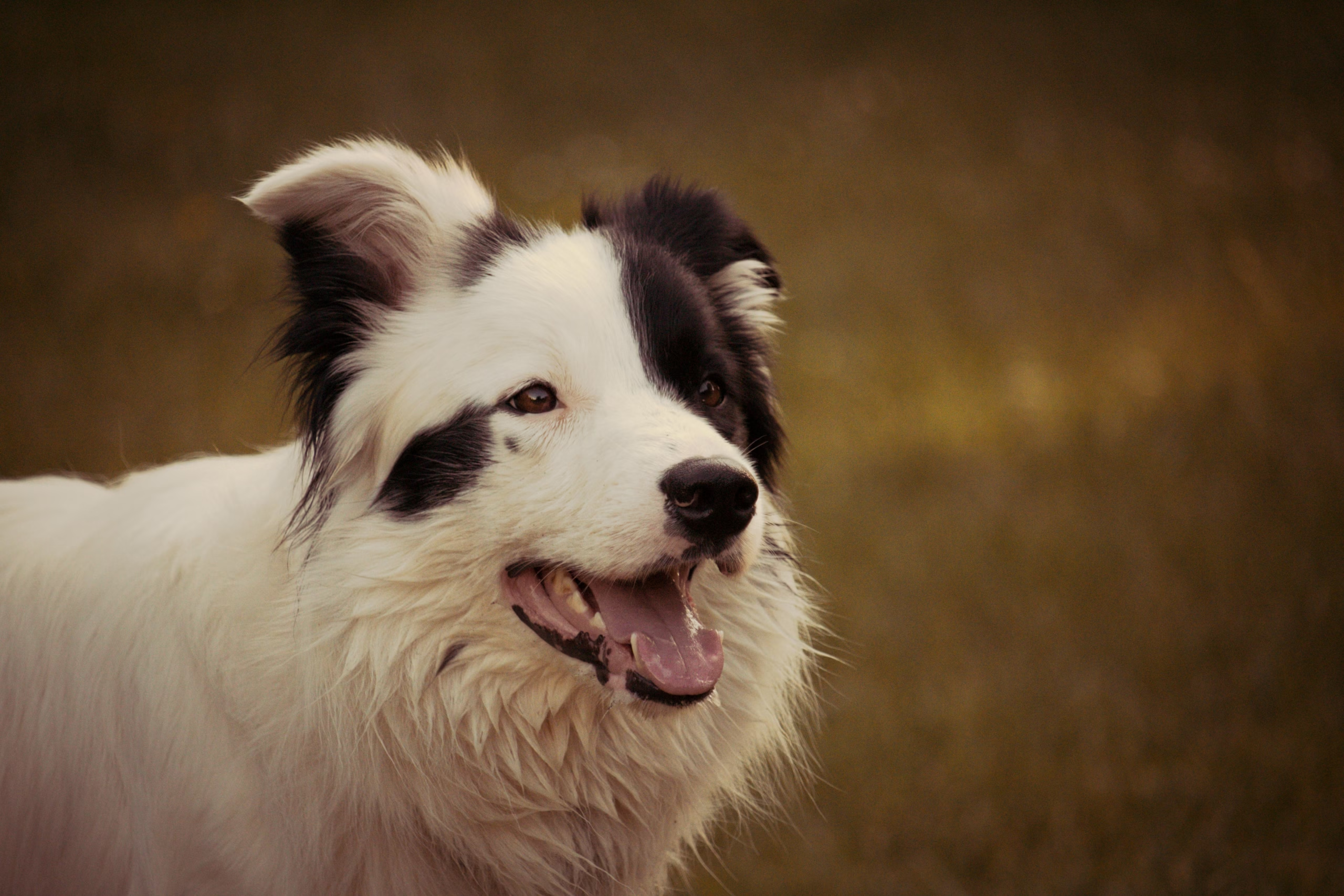
Why is my dog panting while resting? Learn the causes of excessive dog panting, even when resting. Find answers to your dog panting resting concerns & get expert advice now!
Why Is My Dog Panting While Resting? A Comprehensive Guide
Is your furry friend panting excessively even while resting? Dog panting resting is a common concern for pet owners, but understanding the underlying causes is crucial for ensuring your dog’s well-being. This comprehensive guide will delve into the various reasons behind why is my dog panting while resting, ranging from normal physiological responses to serious medical conditions requiring immediate veterinary attention. We’ll also explore what constitutes dog panting excessive and when you should seek professional help.
Understanding Normal Panting in Dogs
Dogs pant primarily to regulate their body temperature. Unlike humans who sweat, dogs rely heavily on panting to dissipate heat. This is perfectly normal, especially after exercise or in hot weather. However, excessive panting, or panting while completely at rest, can indicate a problem.
Factors Affecting Normal Panting:
- Temperature: Hot weather, even indoors, can lead to increased panting.
- Excitement or Stress: Anticipation of a walk, a visitor, or even a loud noise can trigger panting.
- Breed: Brachycephalic breeds (dogs with short noses like Bulldogs and Pugs) are naturally more prone to panting due to their respiratory anatomy.
If your dog is panting slightly after a short walk or during a warm day, this is usually not cause for alarm. However, if the panting seems excessive, persistent, or accompanied by other symptoms, it’s crucial to investigate further.
When Panting Becomes a Cause for Concern: Dog Panting Excessive
Why is my dog panting while resting when they’re not hot or excited? This is where you need to pay closer attention. Excessive panting while resting could be a sign of various underlying health issues.
Medical Conditions Associated with Excessive Panting:
- Heart Disease: Heart conditions can strain the circulatory system, causing the dog to pant excessively to compensate for reduced oxygen intake.
- Respiratory Issues: Conditions such as canine pneumonia (learn more about its contagiousness at https://pupquotes.com/blog/is-canine-pneumonia-contagious/), bronchitis, or collapsing trachea can make breathing difficult and lead to increased panting, even at rest. Similarly, infections like Canine Bordatella (kennel cough) (https://pupquotes.com/blog/what-is-canine-bordetella/) can present with excessive panting.
- Pain: Dogs in pain, whether from injury or illness, may pant excessively as a stress response.
- Anxiety and Stress: Chronic anxiety or stress can lead to persistent panting.
- Fever: A high temperature will trigger increased panting as the body tries to cool down.
- Obesity: Overweight dogs may pant more frequently due to increased exertion even during rest.
- Dehydration: The body’s attempt to regulate temperature is hampered by dehydration.
- Infectious Diseases: Serious infectious diseases like Canine Distemper (https://pupquotes.com/blog/can-humans-get-canine-distemper/, https://pupquotes.com/blog/what-is-canine-distemper-vaccine/, https://pupquotes.com/blog/what-is-canine-dhpp-vaccine/) can manifest with excessive panting.
Recognizing Other Symptoms: Beyond Dog Panting Resting
While panting itself can be a concern, it’s often accompanied by other symptoms that can help pinpoint the underlying cause. Pay close attention to:
- Changes in Behavior: Lethargy, weakness, unusual aggression, or changes in appetite.
- Respiratory Sounds: Wheezing, coughing, or difficulty breathing.
- Coughing: This symptom could indicate a number of respiratory issues and should be investigated.
- Vomiting or Diarrhea: These could indicate infection or digestive issues.
- Changes in Urination or Defecation: Increased thirst and frequent urination could point to kidney problems or diabetes.
- Weight Loss or Gain: Significant weight changes can be indicative of various underlying problems.
When to Seek Veterinary Care
If your dog is exhibiting dog panting excessive along with any of the symptoms mentioned above, or if the panting persists despite eliminating environmental factors, it’s essential to schedule an appointment with your veterinarian immediately. Early diagnosis and treatment are crucial in managing many of these conditions.
Diagnosis and Treatment
Your veterinarian will perform a thorough physical exam, possibly including blood tests, urinalysis, chest X-rays, and electrocardiograms (ECG) to determine the cause of your dog’s panting. Treatment will depend on the underlying diagnosis, which might range from medication to surgery, depending on the severity and type of the problem.
Prevention: Minimizing the Risk of Excessive Panting
While not all cases of excessive panting are preventable, certain measures can significantly reduce the risk:
- Maintain a Healthy Weight: Obesity increases stress on the cardiovascular system.
- Regular Exercise: Regular, moderate exercise improves cardiovascular health.
- Proper Vaccination: Vaccinations, such as the Canine Distemper vaccine, protect your dog from various infectious diseases.
- Stress Reduction: Create a calm and comfortable environment for your dog.
- Cool Environment: Especially in warmer months ensure your canine has access to shade and cool environments.
Conclusion: Addressing Dog Panting Resting Concerns
Understanding the reasons behind why is my dog panting while resting is crucial for responsible pet ownership. While some panting is normal, excessive panting warrants immediate attention. This guide has explored the potential causes, ranging from simple environmental factors to serious medical conditions. Remember, early detection is key to ensuring your dog’s health and well-being.
We hope this comprehensive guide has helped you understand your dog’s panting better. Now we’d love to hear from you! Share your experiences and any questions you may have in the comments below. Have you ever noticed your dog panting excessively while resting? What did you do? Let’s discuss your dog panting resting concerns and help each other out.
External Resources:
- American Kennel Club: https://www.akc.org/ (Provides general information on dog health and care)
- Veterinary Partner: https://veterinarypartner.vin.com/ (Offers comprehensive pet health information)
FAQ: Why Is My Dog Panting While Resting?
Here are some frequently asked questions about why your dog might be panting while resting:
1. Q: My dog is panting heavily while resting, even in a cool room. Is this normal?
A: No, excessive panting in a cool environment while resting isn’t normal. While dogs pant to regulate their body temperature, heavy Dog Panting Resting when they’re not exerting themselves could indicate an underlying issue. This could range from simple dehydration to more serious conditions. Consult your vet to rule out anything concerning.
2. Q: Why is my dog panting while resting after a walk?
A: Panting after exercise is normal as your dog is cooling down. However, if the Dog Panting Excessive persists for an unusually long time after the walk, or if the panting seems labored, it might warrant a vet visit.
3. Q: My dog is panting while resting and seems lethargic. Should I be worried?
A: Yes, lethargy combined with Dog Panting Resting is a serious sign and needs immediate veterinary attention. It could be a symptom of various illnesses, including serious ones.
4. Q: Could my dog’s panting while resting be due to anxiety?
A: Yes, anxiety can cause excessive panting. If your dog is panting excessively while seemingly at rest and you suspect anxiety, try to identify and address potential triggers.
5. Q: My dog is panting heavily while resting and has a dry cough. What could this mean?
A: A dry cough combined with Dog Panting Resting could be a sign of respiratory issues like kennel cough (learn more about canine bordetella at https://pupquotes.com/blog/what-is-canine-bordetella/), or even pneumonia (https://pupquotes.com/blog/is-canine-pneumonia-contagious/). Immediate veterinary attention is crucial.
6. Q: Is it possible that my dog’s Dog Panting Resting is related to pain?
A: Yes, pain can cause increased panting. If your dog is exhibiting other signs of discomfort, such as limping or reluctance to move, schedule a vet appointment.
7. Q: My dog is panting excessively while resting and seems weak. What should I do?
A: Weakness and Dog Panting Excessive warrant immediate veterinary attention. This combination points to a serious potential underlying issue.
8. Q: Could heart problems cause a dog to pant while resting?
A: Yes, heart conditions can cause Dog Panting Resting. If you suspect a heart problem, immediate veterinary care is essential for diagnosis and treatment.
9. Q: My dog has been vaccinated, but is still panting excessively while resting. Is that unusual?
A: While vaccinations like the canine DHPP vaccine (https://pupquotes.com/blog/what-is-canine-dhpp-vaccine/) and canine distemper vaccine (https://pupquotes.com/blog/what-is-the-canine-distemper-vaccine/) protect against many illnesses, they don’t guarantee complete immunity. Persistent excessive panting still requires veterinary assessment. Also consider other illnesses, such as canine distemper (https://pupquotes.com/blog/can-humans-get-canine-distemper/), which can have varied symptoms.
10. Q: When should I take my panting dog to the vet?
A: If your dog’s Dog Panting Resting is excessive, persistent, accompanied by other symptoms (lethargy, coughing, weakness, etc.), or if you’re simply concerned, it’s always best to consult your veterinarian. Don’t hesitate to seek professional advice.

Why Is My Dog Panting While Resting?
Panting is a natural cooling mechanism for dogs, but excessive panting while resting can indicate an underlying health problem. Understanding the cause is crucial for your dog’s well-being. Here’s a breakdown of potential reasons and what you should do:
Common Causes of Resting Panting:
Overheating: This is the most common reason. Even on a mild day, your dog might overheat if they’ve been exercising, exposed to direct sunlight, or are in a poorly ventilated area. Ensure your dog has access to shade, cool water, and a well-ventilated space, especially during warmer months.
Anxiety or Stress: Dogs can pant when feeling anxious, stressed, or fearful. Changes in routine, loud noises, or separation anxiety can trigger this response. Consider providing a safe and comfortable space for your dog, and address any underlying anxieties through training or behavioral modification.
Pain: Panting can be a sign of pain, particularly if your dog is also exhibiting other symptoms like lethargy, limping, or changes in appetite. If you suspect pain, consult your veterinarian immediately.
Underlying Medical Conditions: Excessive panting while resting can be a symptom of several serious health issues. These include:
- Heart disease: Difficulty breathing is a common sign of heart problems.
- Respiratory infections: Conditions like canine pneumonia can cause increased panting.
- Other Infections: Infectious diseases such as canine distemper, canine bordetella, or other less common illnesses. Regular vaccinations, including the canine distemper vaccine and the canine DHPP vaccine, are essential to prevent these.
When to Seek Veterinary Attention:
Seek immediate veterinary attention if your dog’s panting is accompanied by any of the following:
- Difficulty breathing: Noisy breathing, shallow breaths, or bluish gums.
- Lethargy or weakness: Unusual tiredness or inability to stand.
- Collapse or fainting: Sudden loss of consciousness.
- Fever: Elevated body temperature.
- Vomiting or diarrhea: Signs of gastrointestinal distress.
- Changes in urination or defecation: Frequent or infrequent urination or straining to defecate.
Prevention and Management:
- Regular Veterinary Checkups: Preventative care is crucial. Regular visits allow your vet to detect any underlying health problems early.
- Proper Vaccination: Ensure your dog is up-to-date on all their vaccinations, including those for canine distemper and other common canine diseases.
- Healthy Diet and Exercise: Maintain a balanced diet and appropriate exercise levels to ensure your dog’s overall health.
- Manage Stress and Anxiety: Create a calm and secure environment for your dog.
This information is for general guidance only. If you are concerned about your dog’s panting, consult a veterinarian for a proper diagnosis and treatment plan. Early detection and intervention are key to ensuring your dog’s health and well-being.
Why Is My Dog Panting While Resting,Dog Panting Resting,Dog Panting Excessive