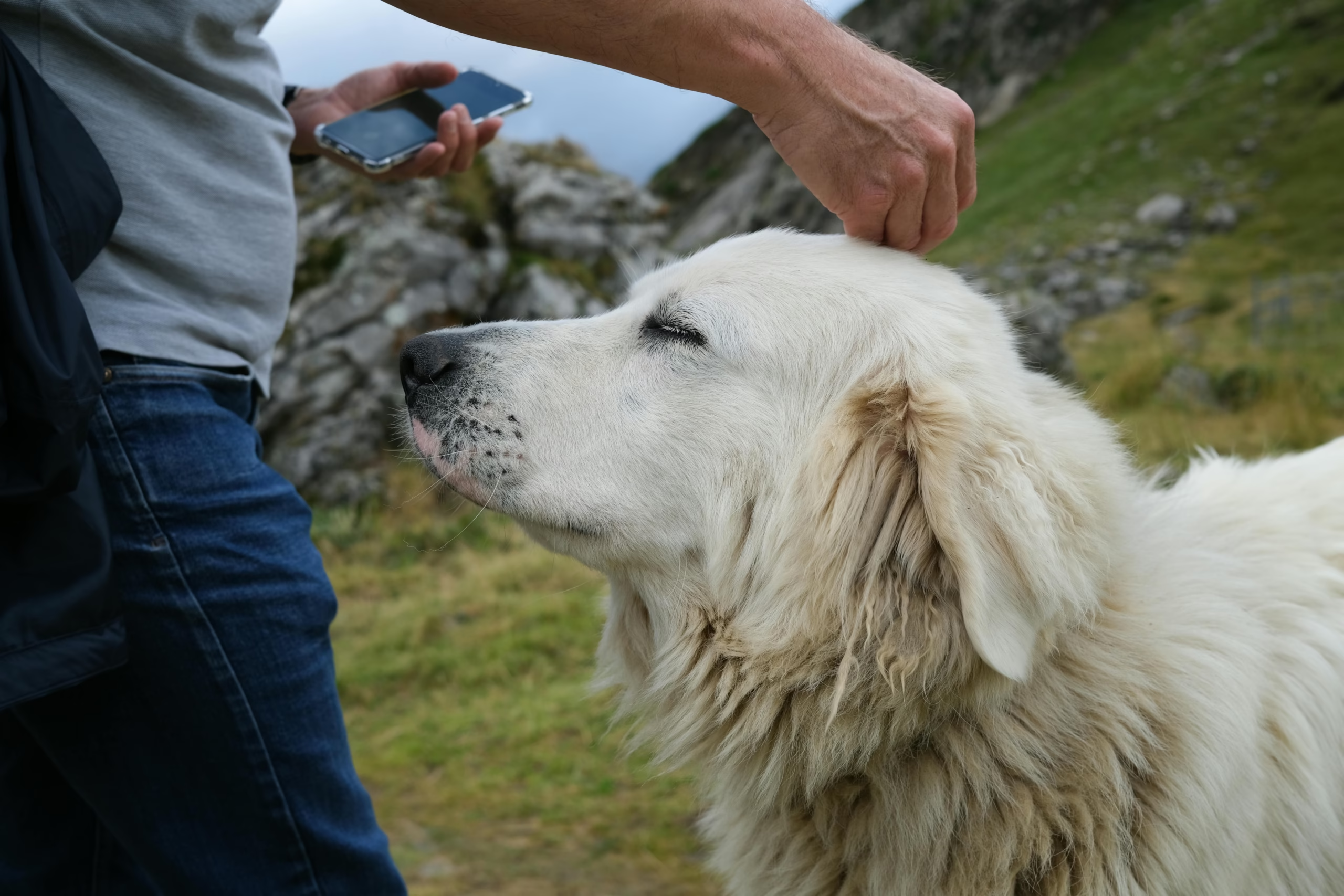
Worried about your puppy’s excessive panting? Learn the potential causes of why is my puppy panting so much, puppy panting excessively, and excessive puppy panting. Get expert insights and peace of mind!
Why Is My Puppy Panting So Much? A Comprehensive Guide to Excessive Puppy Panting
Is your puppy panting excessively? Seeing your furry friend breathing heavily can be alarming, especially if you’re unsure of the cause. Understanding why is my puppy panting so much is crucial for ensuring their well-being. This comprehensive guide will explore the various reasons behind puppy panting excessively, helping you determine if it’s a normal behavior or a sign of an underlying health issue. We’ll delve into the intricacies of excessive puppy panting, providing you with the knowledge to address this concern effectively.
Understanding Normal Puppy Panting
Before we delve into the reasons behind why is my puppy panting so much, let’s establish a baseline for what’s considered normal panting in puppies. Puppies, particularly young ones, pant more frequently than adult dogs. This is due to their underdeveloped thermoregulation systems. They haven’t yet mastered the art of efficiently regulating their body temperature, and panting is their primary method of cooling down.
Factors that might cause normal panting include:
- Excitement or Play: A playful puppy, thrilled by a game of fetch or a cuddle session, might pant heavily.
- Warm Weather: Heat is a major trigger. If it’s hot outside, even a short walk can lead to increased panting.
- Exercise: Strenuous activity, even if seemingly mild for an adult dog, can leave a puppy panting for a while afterward.
- Stress or Anxiety: New environments, loud noises, or unfamiliar people can all cause stress, leading to increased panting.
However, if your puppy’s panting seems excessive, prolonged, or accompanied by other symptoms, it’s crucial to seek veterinary attention.
Why Is My Puppy Panting So Much? Exploring Potential Health Concerns
While normal panting is expected, excessive puppy panting warrants careful observation and potential veterinary intervention. Several health issues can manifest as increased panting:
Respiratory Issues
- Kennel Cough (Bordetella): This highly contagious respiratory infection can cause coughing, sneezing, and excessive panting. If you suspect kennel cough, ensure your puppy receives the necessary vaccination, as detailed in our blog post on the canine bordetella vaccine: https://pupquotes.com/blog/what-is-canine-bordetella-vaccine/. Early diagnosis and treatment are key.
- Canine Pneumonia: Pneumonia, whether bacterial or viral, can severely affect a puppy’s breathing, leading to heavy panting and labored breathing. Learning about the contagious nature of canine pneumonia is crucial: https://pupquotes.com/blog/is-canine-pneumonia-contagious/. If you suspect pneumonia, immediate veterinary care is essential.
- Canine Distemper: This serious viral disease can cause a range of respiratory symptoms, including excessive panting. Understanding canine distemper and its vaccine is crucial: https://pupquotes.com/blog/what-is-canine-distemper-vaccine/. Prevention through vaccination is your best defense.
Cardiovascular Issues
Heart conditions can also manifest as puppy panting excessively. A weakened heart struggles to pump blood efficiently, leading to increased panting, even at rest. If you notice persistent panting, particularly after minimal exertion, a veterinary examination is crucial to rule out any heart problems.
Other Potential Causes of Excessive Puppy Panting
Beyond respiratory and cardiovascular issues, other factors can contribute to why is my puppy panting so much:
- Pain: Pain, whether from injury or illness, can trigger increased panting. Observe your puppy for other signs of discomfort, such as limping, lethargy, or reluctance to move.
- Dehydration: Dehydration can lead to increased panting as the body tries to regulate its temperature. Ensure your puppy has access to fresh water at all times.
- Fever: A fever is often accompanied by increased panting. Feel your puppy’s nose and paws – a warm nose and paws might suggest a fever.
- Stress and Anxiety: While a certain level of stress-related panting is normal, persistent and excessive panting could indicate a deeper anxiety issue requiring professional help.
- Heat Stroke: This is a serious condition, and early detection is vital. Symptoms include excessive panting, rapid heart rate, weakness, and collapse. Immediate veterinary care is essential.
- Infections: Various infections, beyond those mentioned earlier, can contribute to increased panting, highlighting the importance of regular veterinary checkups.
- Underlying Medical Conditions: Certain conditions, such as certain metabolic disorders, might trigger panting, emphasizing the need for a thorough veterinary examination if panting is persistent or unusual.
Puppy Panting Excessively: When to Seek Veterinary Care
The key to managing excessive puppy panting is recognizing when it’s beyond the realm of normal behavior. Seek immediate veterinary attention if your puppy exhibits any of the following alongside excessive panting:
- Blue or pale gums: This indicates a lack of oxygen.
- Labored breathing: Struggling to breathe or making unusual noises.
- Lethargy or weakness: Unusual tiredness or inability to move normally.
- Vomiting or diarrhea: These can be symptoms of underlying illnesses.
- Collapse or loss of consciousness: This is a medical emergency.
- Fever: Elevated body temperature.
- Persistent panting even at rest: Panting that doesn’t subside after rest or cooling down.
Preventing Excessive Puppy Panting
Prevention is key. Here’s how you can minimize the risk of puppy panting excessively:
- Vaccinations: Ensure your puppy receives all necessary vaccines, including those protecting against canine distemper https://pupquotes.com/blog/what-is-canine-distemper-vaccine/, bordetella https://pupquotes.com/blog/what-is-canine-bordetella-vaccine/, and DHPP https://pupquotes.com/blog/what-is-canine-dhpp-vaccine/.
- Regular Veterinary Checkups: Regular visits allow for early detection of potential health issues.
- Hydration: Provide fresh water at all times, especially during hot weather or after exercise.
- Temperature Regulation: Avoid exercising your puppy during the hottest parts of the day and provide shade during outdoor activities.
- Safe Environment: Create a safe and calming environment to minimize stress and anxiety.
- Socialization: Gradual and positive socialization helps reduce anxiety in unfamiliar situations.
Additional Resources
For further information on canine respiratory health, we recommend consulting these reputable sources:
- The American Veterinary Medical Association (AVMA): [Insert AVMA link here – replace with a relevant AVMA link on canine respiratory health]
- The American Kennel Club (AKC): [Insert AKC link here – replace with a relevant AKC link on canine health]
Conclusion: Share Your Experiences!
Understanding why is my puppy panting so much is a crucial aspect of responsible pet ownership. While some panting is normal, excessive panting can indicate serious underlying health concerns. By being vigilant and seeking veterinary care when necessary, you can ensure your puppy’s health and well-being. Have you experienced excessive panting in your puppy? Share your experiences and insights in the comments below! Let’s learn together to better understand and address puppy panting excessively and excessive puppy panting. Remember to consult your veterinarian for any concerns regarding your puppy’s health. And don’t forget to check out our other articles for more information on canine health and well-being! Can humans get canine distemper? Find out more here: https://pupquotes.com/blog/can-humans-get-canine-distemper/
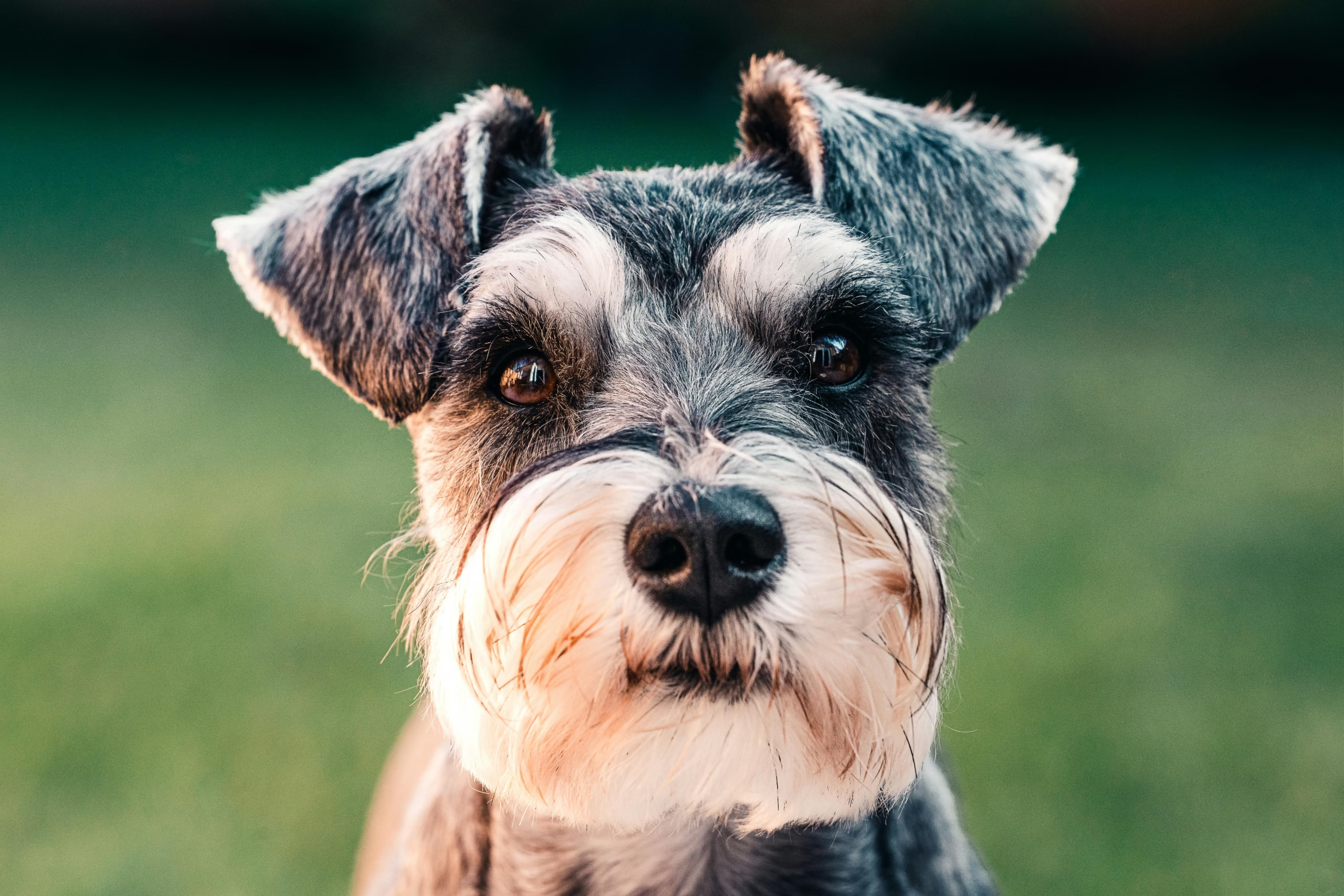
10 FAQs: Why Is My Puppy Panting So Much?
1. Q: My puppy is panting excessively. Is this normal?
A: While panting is a normal way for dogs to regulate their body temperature, excessive panting can indicate a problem. Consider the environment: is it hot? Is your puppy overexerted? If the excessive panting persists, or is accompanied by other symptoms (lethargy, vomiting, etc.), consult your vet immediately. This could be a sign of underlying health issues, and addressing Puppy Panting Excessively promptly is key.
2. Q: Why is my puppy panting so much after playing?
A: Panting after playtime is usually normal. It’s how your puppy cools down after physical exertion. However, if the panting is significantly prolonged or seems labored, it could be a sign of overheating. Ensure your puppy has access to cool water and shade. If Puppy Panting Excessively persists, seek veterinary advice.
3. Q: My puppy is panting a lot and seems anxious. What could be wrong?
A: Anxiety can cause Excessive Puppy Panting. Look for other signs of anxiety, such as trembling, whining, or hiding. If your puppy is showing signs of anxiety, consult your vet or a veterinary behaviorist. They can help you identify the cause and develop a management plan.
4. Q: My puppy is panting heavily and has a fever. Should I be worried?
A: Yes, this is a serious concern. A fever combined with heavy panting could indicate a number of illnesses. Seek veterinary attention immediately. This could be anything from a simple infection to something more serious. Early intervention is crucial when dealing with Excessive Puppy Panting accompanied by a fever.
5. Q: Could my puppy’s excessive panting be due to pain?
A: Yes, pain can definitely cause Puppy Panting Excessively. If your puppy is limping, reluctant to move, or exhibiting other signs of discomfort, consult your vet. Pain management is essential to your puppy’s well-being.
6. Q: My puppy is panting heavily and seems lethargic. What could this mean?
A: Lethargy combined with Puppy Panting Excessively warrants immediate veterinary attention. It could signify various illnesses, including potentially serious conditions. Don’t delay seeking professional help.
7. Q: Could a vaccine reaction cause my puppy to pant excessively?
A: While rare, a reaction to vaccines like the Canine Distemper vaccine [https://pupquotes.com/blog/what-is-canine-distemper-vaccine/], Canine DHPP vaccine [https://pupquotes.com/blog/what-is-canine-dhpp-vaccine/], or Bordetella vaccine [https://pupquotes.com/blog/what-is-canine-bordetella-vaccine/] could cause excessive panting. Monitor your puppy closely after vaccinations and contact your vet if you notice any unusual symptoms.
8. Q: Is canine pneumonia a possible cause of my puppy panting so much?
A: Yes, Puppy Panting Excessively can be a symptom of canine pneumonia. Pneumonia is a lung infection [https://pupquotes.com/blog/is-canine-pneumonia-contagious/] and requires immediate veterinary care. If you suspect pneumonia, contact your vet without delay.
9. Q: Can stress cause my puppy to pant heavily?
A: Yes, stress and fear can cause Excessive Puppy Panting. A new environment, loud noises, or separation anxiety can all trigger increased panting. Identifying and addressing the stressor is important.
10. Q: My puppy is panting heavily. Could this be Canine Distemper?
A: Canine Distemper [https://pupquotes.com/blog/what-is-canine-distemper-vaccine/] is a serious viral disease that can cause various symptoms, including excessive panting. It’s important to note that Why Is My Puppy Panting So Much is not a definitive indicator of distemper. However, if you notice other symptoms like fever, coughing, or nasal discharge, consult your vet immediately. It’s also worth noting that Canine Distemper isn’t transmittable to humans [https://pupquotes.com/blog/can-humans-get-canine-distemper/].

Why Is My Puppy Panting So Much?
Excessive panting in puppies is a common concern for new pet owners. While panting is a normal way for dogs to regulate their body temperature, excessive panting can indicate underlying health issues. Understanding the causes can help you provide the best care for your furry friend.
Normal vs. Excessive Panting
Puppies pant more frequently than adult dogs due to their less-developed thermoregulation systems. However, excessive panting is characterized by rapid, shallow breaths, even in cool environments or after minimal activity. This warrants attention.
Common Causes of Excessive Panting in Puppies:
- Overheating: Puppies are susceptible to overheating, especially in warm weather. Ensure your puppy has access to shade, cool water, and avoid strenuous exercise during peak heat.
- Stress and Anxiety: A new environment, loud noises, or separation anxiety can cause excessive panting. Creating a calm and safe space for your puppy is crucial.
- Pain or Discomfort: Panting can be a sign of pain from injury, illness, or discomfort from a foreign object. Observe your puppy for other symptoms like limping, lethargy, or changes in appetite.
- Underlying Medical Conditions: Excessive panting can be a symptom of more serious illnesses. These include:
- Infectious Diseases: Puppies are vulnerable to various infectious diseases like Canine Distemper, which can cause respiratory distress and excessive panting. Ensuring your puppy is up-to-date on core vaccines, including the Canine Distemper Vaccine, Canine DHPP Vaccine, and Canine Bordetella Vaccine, is vital for their protection.
- Respiratory Infections: Conditions like Canine Pneumonia can lead to labored breathing and excessive panting. Canine pneumonia is potentially serious, so prompt veterinary attention is necessary. Note that Canine Distemper can also cause pneumonia.
- Heart Conditions: Heart problems can cause difficulty breathing and excessive panting.
- Other Illnesses: Various other illnesses can manifest as excessive panting.
When to Seek Veterinary Attention:
If your puppy’s excessive panting is accompanied by other symptoms like:
- Lethargy
- Loss of appetite
- Vomiting or diarrhea
- Coughing or sneezing
- Fever
- Difficulty breathing
- Pale gums
You should immediately consult a veterinarian.
Health Considerations and Prevention:
- Vaccination: Ensure your puppy receives all necessary vaccinations, including those for Canine Distemper, to protect against potentially life-threatening illnesses.
- Regular Veterinary Checkups: Routine checkups allow for early detection of any health problems.
- Proper Nutrition and Exercise: A balanced diet and appropriate exercise contribute to overall health.
- Safe Environment: A safe and stimulating environment reduces stress and anxiety.
Important Note: While this information is helpful, it is not a substitute for professional veterinary advice. If you are concerned about your puppy’s excessive panting, it’s crucial to consult a veterinarian for a proper diagnosis and treatment plan. Remember, you can’t get Canine Distemper yourself, but it is important to seek veterinary care for your pup if they exhibit symptoms.
Why Is My Puppy Panting So Much,Puppy Panting Excessively,Excessive Puppy Panting