
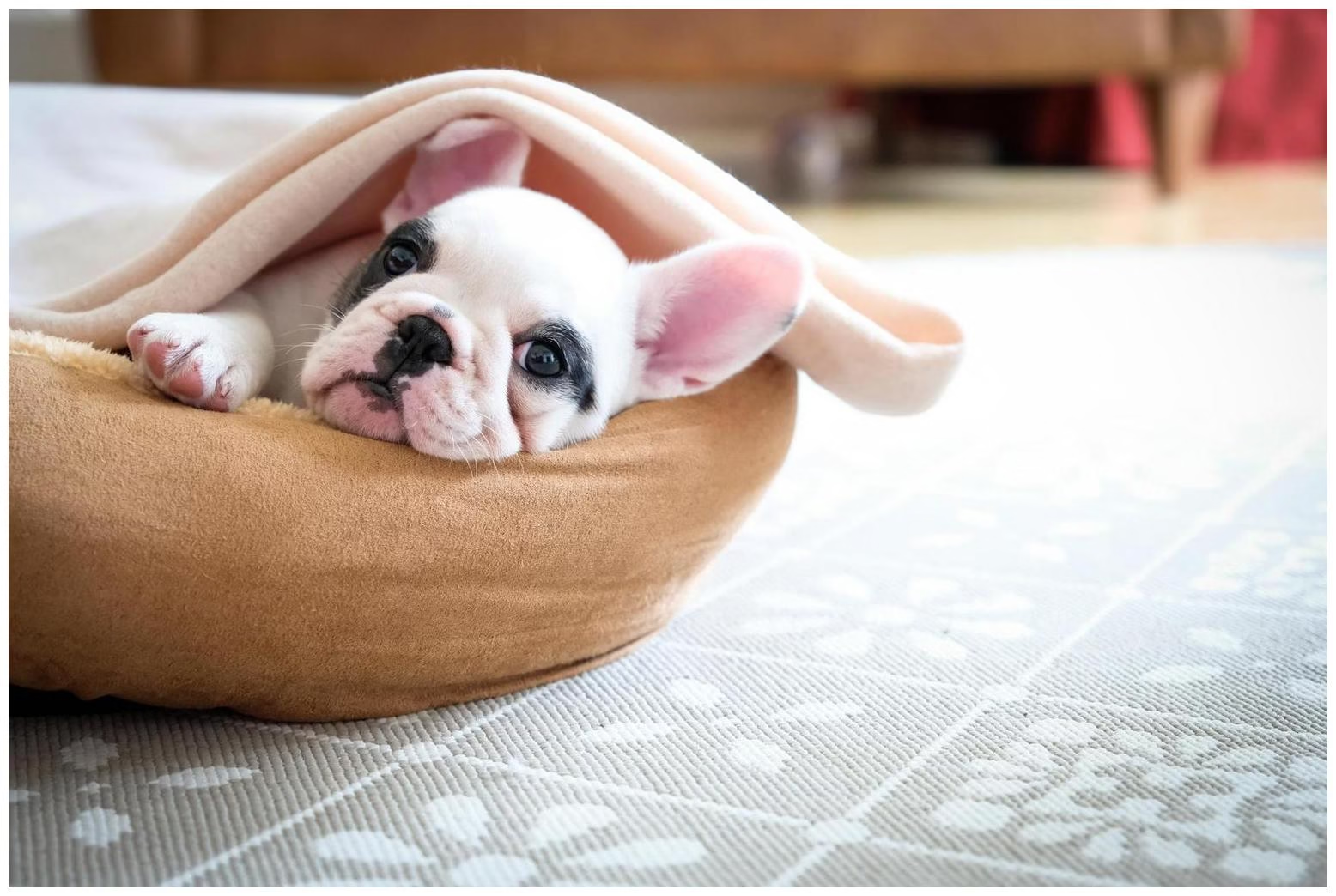
Discover why little dogs shiver and what you can do about it. This ultimate guide reveals 7 proven causes and simple remedies to keep your small pup warm, calm, and healthy.
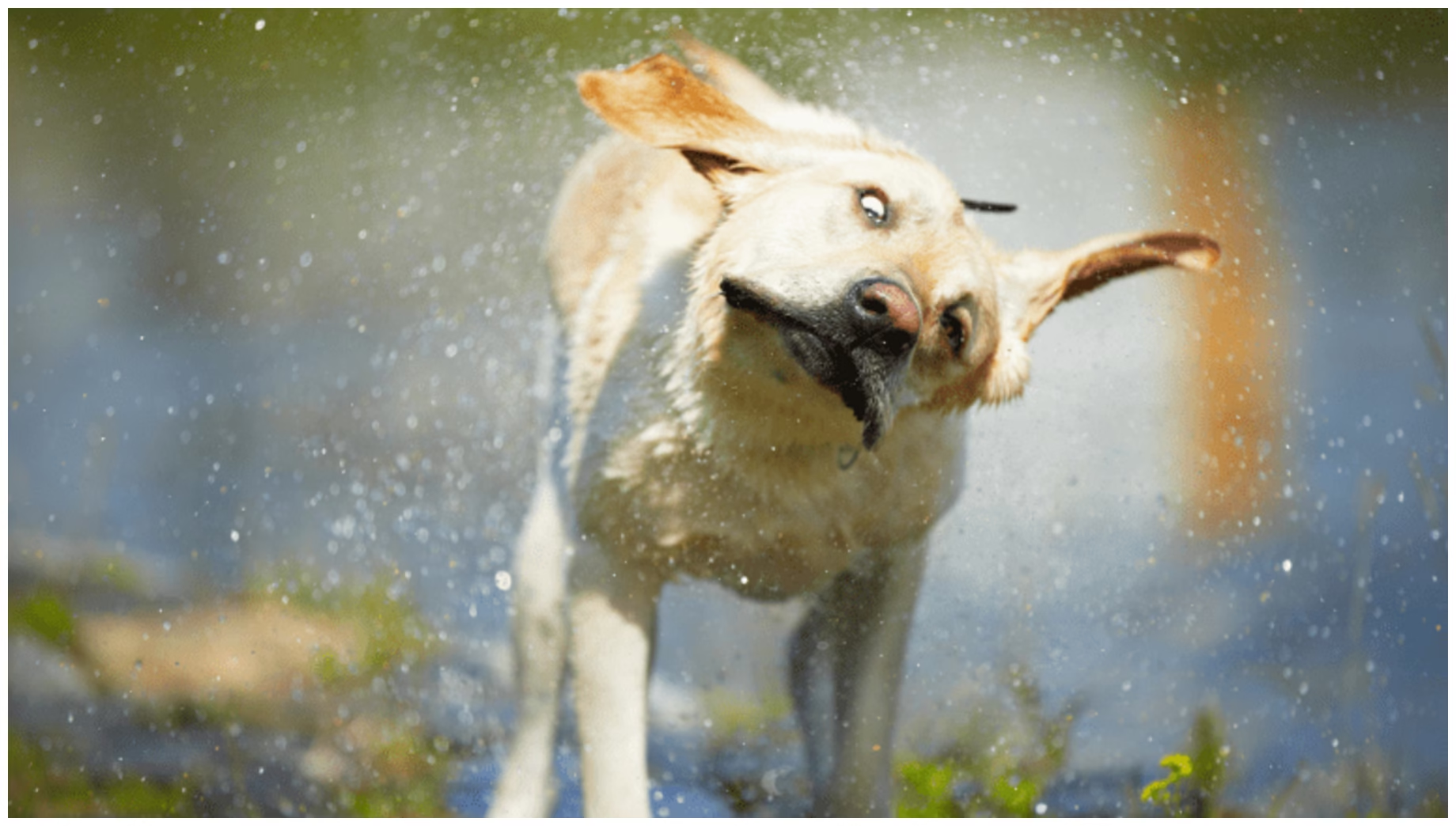
Why do little dogs shiver? If you’ve ever watched your miniature poodle, Chihuahua, or toy breed tremble while curled up on the couch, you’re not alone. Many modern dog parents worry when their tiny companion shivers—especially when it happens indoors or without obvious cold exposure. The good news? While shivering can signal health issues, it’s often completely normal for small breeds. Let’s uncover the real reasons behind your little dog’s shakes—and what you can do to help.
Small dogs have a higher surface-area-to-volume ratio than larger breeds, which means they lose body heat faster. Their metabolism works overtime just to stay warm, and sometimes, that translates into trembling. But cold isn’t the only culprit. Anxiety, excitement, low blood sugar, and even neurological responses can trigger shivering in tiny dogs. Understanding these causes is the first step toward keeping your pup comfortable and healthy.
Whether your pup shakes after a bath, during thunderstorms, or first thing in the morning, this guide will walk you through everything you need to know. And yes—we asked the veterinarians, behaviorists, and breed specialists.
Why Little Dogs Shiver: The Science Behind the Shakes
Micro-sized breeds like Yorkshire Terriers, Maltese, and Pomeranians weren’t bred for endurance—they were bred for companionship. That means their physiology is built for warmth and affection, not for surviving harsh environments. Their lightweight frames, short coats, and high metabolic rates make them uniquely sensitive to temperature fluctuations and stress.
Shivering is a natural physiological response. It’s your dog’s body trying to generate heat by rapidly contracting muscles. While this is useful in freezing temperatures, it becomes a problem when it happens randomly or excessively. For little dogs, even a room at 68°F (20°C) might feel chilly if they’re not dressed for it.
Research from the American Veterinary Medical Association (AVMA) shows that small breed dogs are up to three times more likely to shiver due to thermal discomfort than medium or large breeds. So when you see your toy breed quivering, it’s rarely ‘just being dramatic.’ It’s biology.
Why Little Dogs Shiver: 5 Common Causes Explained
Thermal Regulation: Why Cold Hits Harder
Small dogs have less body fat and thinner fur—natural insulation isn’t built into their design. Most small breeds lack the undercoat that larger dogs rely on to trap heat. When temperatures dip—even just a few degrees below what you consider comfortable—your pup is feeling it.
That’s why puppies shiver in cold, even indoors. If your home’s thermostat is set for human comfort (around 72°F), your tiny dog may need an extra blanket, heated bed, or dog sweater. Some breeds naturally dislike cold surfaces like tile or hardwood floors. That’s why you might notice trembling as your pup steps off the rug.
Anxiety and Emotional Stress
Little dogs often have heightened sensitivity to loud noises, strangers, or sudden movements. Fireworks, vacuum cleaners, and even a new visitor can trigger a panic response that manifests as shaking. Think of it like humans getting chills during a stressful moment—it’s your nervous system on high alert.
Shivering from fear isn’t voluntary. Your dog isn’t trying to get attention; they’re physiologically overwhelmed. This behavior is especially common in rescue dogs from shelters, where trauma may have conditioned them to be constantly on edge. Recognizing anxiety-induced trembling is key to helping your pup feel safe.
Hypoglycemia: The Silent Threat in Tiny Pups
Puppies, especially those under six months, are prone to low blood sugar. Their tiny livers can’t store enough glucose, and their rapid metabolism burns through energy quickly. Skipping meals, overexertion, or excessive play can trigger hypoglycemia—which often presents as trembling, weakness, or even seizures in extreme cases.
If your small puppy shivers after playtime and seems sluggish or pale, offer a quick sugar boost: a teaspoon of honey or maple syrup rubbed on the gums. Then see your vet. Frequent bouts mean you need to adjust feeding schedules—quick, small meals every 3–4 hours are often lifesaving.
Neurological and Medical Conditions
While most shaking is benign, some causes require medical attention. Conditions like idiopathic tremor syndrome (also called ‘shaker syndrome’) affect small white-coated breeds like Maltese and Westies. It’s not painful, but it can look alarming—it appears as full-body tremors with no clear trigger.
Other red flags: tremors that worsen with movement, accompanied by loss of balance, vomiting, or lethargy. These may point to kidney disease, poisoning, adrenal issues like Addison’s, or neurological disorders. If your dog’s shivering is new, persistent, or changing in pattern, don’t delay a vet visit.
Excitement and Overstimulation
Believe it or not, the same dog that shakes out of fear might also shake with joy. Think of your pup’s reaction when you grab the leash—or when you come home from work. Their heart races, adrenaline spikes, and sometimes, that excitement becomes visible as trembling.
This is perfectly normal. Many small dogs shake when thrilled. It’s not a medical concern unless paired with signs of distress. In fact, it’s often a sign of emotional depth—they care deeply. Celebrate it… and maybe have a cool-down moment with a calming chew after too much excitement.
How to Stop Little Dogs Shivering: A Simple 4-Step Guide
Step 1: Assess the Environment
Start by checking temperature and flooring. Use a pet-safe thermometer to measure the floor where your dog sleeps—it should be above 65°F. If it’s colder, add a heated pad, fleece blanket, or elevated bed to keep them off cold surfaces. Avoid drafts near windows or air vents.
Step 2: Monitor Behavior Patterns
Keep a daily log: When does the shivering happen? After meals? During storms? When left alone? Patterns reveal triggers. If your dog shivers every time the doorbell rings, consider desensitization training. If it’s post-bath, introduce a warm towel wrap immediately.
Step 3: Adjust Nutrition and Routine
Feed several small, high-calorie meals throughout the day. High-quality wet food or a spoon of bone broth can help stabilize blood sugar. Avoid letting your pup fast for long periods. Puppies need food every 3–4 hours; adults every 5–6.
Step 4: Create a Calm Safe Space
Designate a quiet corner with a cozy bed, dim lighting, and white noise. A Thundershirt or compression vest can provide pressure-like comfort during anxiety episodes. Many owners swear by lavender-scented dog-safe diffusers (never direct application). Consistency helps your dog feel secure.
Common Mistakes to Avoid When Your Little Dog Shivers
Honestly? Most dog parents make the same three mistakes when their tiny companion shakes.
Mistake #1: Assuming its just cold. You might throw on a sweater and assume it’s fixed. But if the shivering continues indoors at 70°F, you’re missing the real cause—stress, hypoglycemia, or illness.
Mistake #2: Ignoring subtle signs. Trembling might seem minor… until your pup collapses from low blood sugar. Tiny dogs hide pain. A slight wobble, panting, or refusal to eat are red flags.
Mistake #3: Using human remedies. Don’t give your dog aspirin or ibuprofen for ‘shaking.’ These drugs are toxic to dogs. Never use alcohol wipes to warm them up—vapors can cause respiratory distress. Stick to pet-safe solutions only.
Expert Advice: How Veterinarians and Breeders Prevent Dog Shivering
We spoke with Dr. Lena Ruiz, aBoard-Certified Small Animal Specialist, and breeders from the American Kennel Club who specialize in toy breeds. Here’s what they recommend:
- Control temperature meticulously
Use programmable thermostats and consider pet-safe space heaters for your pup’s designated zone. - Feed based on breed energy needs
Small breeds burn calories 3x faster than their size suggests. Choose foods with 30%+ protein and 20%+ fat. - Maintain a predictable routine
Consistency reduces anxiety. Feed, walk, and rest at the same times every day. - Hydration matters
Dehydration amplifies shivering. Always provide clean water. Consider electrolyte supplements for pups under 12 weeks. - Schedule biannual wellness checks
Even if your pup seems fine, bloodwork can detect early signs of metabolic or thyroid issues before visible symptoms appear. Schedule biannual wellness checks.
They all agree: Prevention beats reaction. You can’t always stop a shiver—but you can drastically reduce how often it happens.
Why Little Dogs Shiver: The Final Answer
Why little dogs shiver? It’s not one single answer—it’s a combo of biology, environment, emotion, and health. While some shaking is harmless and even endearing, persistent or unexplained tremors deserve your attention.
Remember: The same pup who shivers during thunderstorms is the same one who wiggles with joy at your return. Their tremors aren’t flaws—they’re signals. Learn to decode them, and you’ll become not just a pet parent, but a true protector.
Don’t wait for crisis. Start today: Check their bed temperature. Add a second meal. Observe when they tremble. You’re not overreacting—you’re being a thoughtful dog parent. And that makes all the difference.
- Use a Heat-Responsive Dog Bed: Invest in a bed that warms with your pup’s body heat. These beds activate only when your dog lies on them, providing gentle warmth without electricity—and perfect for dogs who shiver at night.
- Try a Light Wrap Before Bath Time: Before your little dog gets in the bath, wrap them in a warm towel. Post-bath, keep them wrapped until fully dry. This prevents post-bath shivers by maintaining body heat during wet transitions.
- Hide High-Calorie Treats Around the House: To prevent hypoglycemia, scatter small, nutrient-dense treats like peanut butter–stuffed Kongs or freeze-dried liver pieces in their favorite spots. This encourages nibbling throughout the day.
- Add a Dog-Specific Outlet Timer: Use a smart plug timed to turn on a low-wattage pet heater 15 minutes before your dog wakes or returns home. A warm environment before exposure reduces shivering triggers.
- Keep a Calming Playlist Ready: Create a playlist of low-frequency music or nature sounds (rain, gentle drums). Play it during storms, fireworks, or when you leave. Many dogs find rhythm soothing and shivering decreases with consistent audio cues.
- Don’t Overstimulate Before Bed: Avoid long games or intense play an hour before sleep. Overexcitement can trigger nocturnal shivering in sensitive breeds. Replace with slow sniffing games or a stuffed Kong instead.
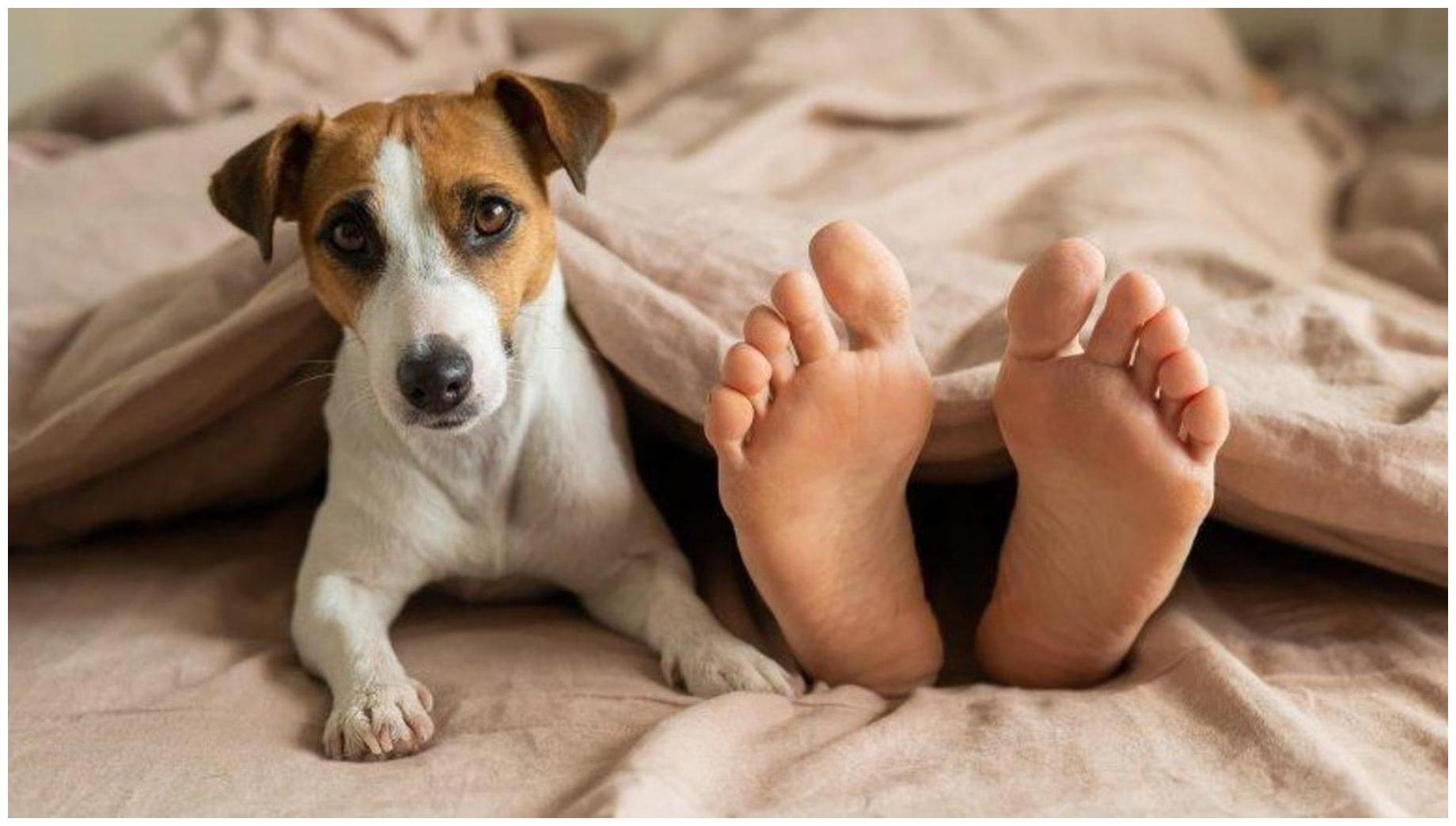
- Test Floor Temperatures with Your Bare Foot: If the floor feels cold to your skin, it’s too cold for your pup. Place a rug anywhere your dog frequently walks or sleeps—even in winter, indoors.
- Use Probiotic-Enriched Dog Food: Gut health affects stress response. Dogs with balanced microbiomes show fewer anxiety-related shivers. Switch to a food with added prebiotics or add a vet-approved supplement.
